Table of Contents
Understanding Stamp Paper Validity in India
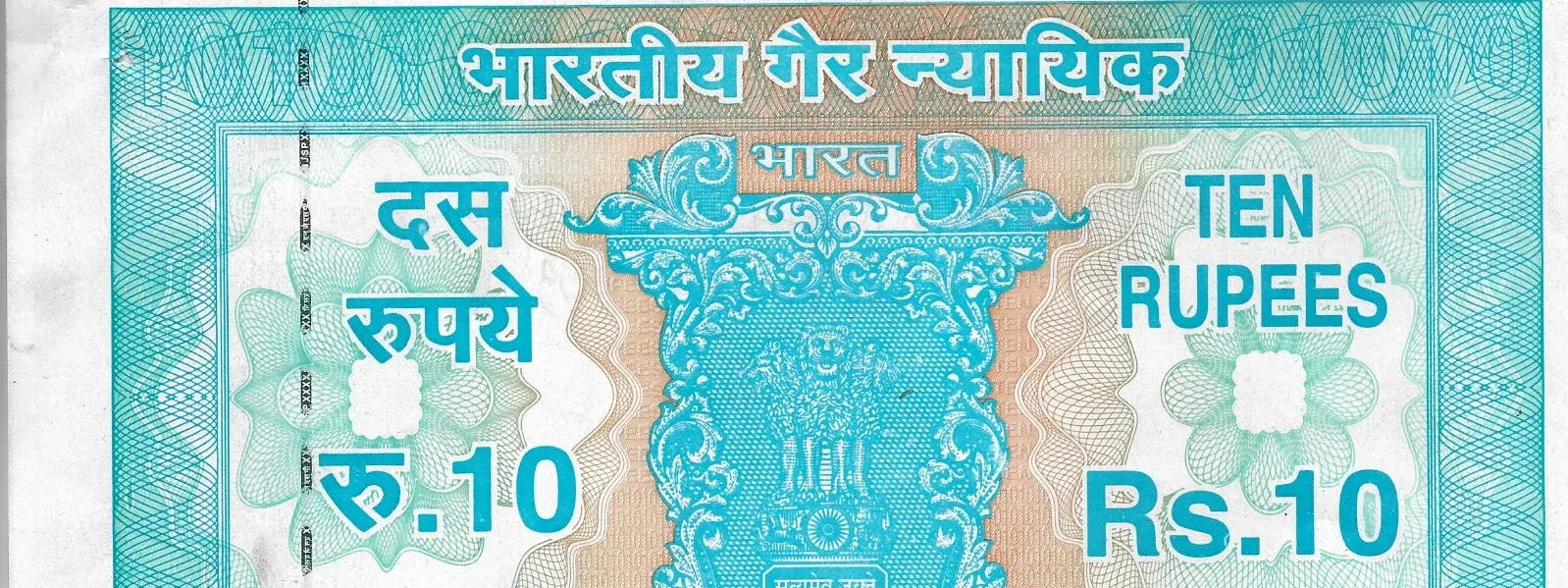
A common misconception in Indian real estate and legal circles is that a non-judicial stamp paper expires after six months if left unused. This myth often creates unnecessary panic among property buyers, developers, and investors.
To clear up the confusion, we break down the legislative framework governing stamp duty in India, separate the rules of the Central Government from individual State laws, and look at crucial Supreme Court and High Court judgements.
Constitutional Powers: Who Controls Stamp Duty?
The power to legislate on and collect stamp duty is shared between the Central Parliament and the State Legislatures under the Constitution of India. This division is what causes variations in stamp paper rules across different states.
1. Powers of Parliament (Central Government)
Under Entry 91 of List I (Union List) of the Seventh Schedule, the Central Government has exclusive power to prescribe stamp duty rates for specific financial instruments all over India. These include:
- Bills of exchange
- Cheques
- Promissory notes
- Transfer of shares and debentures
- Letters of credit and proxies
For other instruments listed under the Indian Stamp Act, 1899 (such as general agreements, affidavits, partnership deeds, and lease agreements), the Central rates apply strictly only to Union Territories.
2. Powers of State Governments
Under Entry 63 of List II (State List) and Entry 44 of List III (Concurrent List), State Governments are empowered to enact, amend, and levy stamp duties on all other commercial and property documents (e.g., Sale Deeds, Gift Deeds, Mortgages, and Power of Attorney).
The rates and specific execution mandates prescribed by a State Government will prevail within that particular State. However, if there is a direct operational conflict between a State amendment and the Central law, the Central legislation prevails as per Article 254 of the Constitution.
Does Stamp Paper Have an Expiry Date?
Under the Central Indian Stamp Act, 1899, a stamp paper does not have a limited shelf life or expiry date. Once purchased, it remains legally valid for execution indefinitely, provided it is genuine and undamaged.
The widespread confusion regarding a “six-month validity period” stems from a misinterpretation of Section 54 of the Indian Stamp Act.
Section 54 (Allowance for unused stamps): This section simply states that if you purchase a stamp paper but have no immediate use for it, you can surrender it to the Collector and claim a monetary refund. However, this refund application must be made within six months from the date of purchase.
The six-month timeline applies purely to seeking a refund, not to the actual validity or use of the paper to execute a contract.
Essential Case Laws and Precedents
The judiciary has repeatedly intervened to clarify that older stamp papers remain perfectly admissible in court.
1. Thiruvengada Pillai vs. Navaneethammal & Anr (2008) 4 SCC 530
This case law remains the foundational Supreme Court ruling on the matter. The Bench explicitly held:
“The Indian Stamp Act, 1899 nowhere prescribes any expiry date for use of a stamp paper… The stipulation of the period of six months prescribed in Section 54 is only for the purpose of seeking refund of the value of the unused stamp paper, and not for use of the stamp paper.”
The apex court confirmed that there is absolutely no legal impediment to using a stamp paper purchased more than six months prior to the date of execution.
2. General State-Level Extensions & Modern Judicial Views
Subsequent rulings across various High Courts have continuously upheld this principle, reinforcing that as long as the stamp duty paid matches the required rate at the time of execution, the date of purchase of the physical or electronic stamp paper is secondary.
However, courts treat the deliberate backdating of agreements or using mismatched stamp papers (purchased by a third party unconnected to the transaction) with strict scrutiny to prevent fraud.
State-Specific Exceptions: Maharashtra and Gujarat
While the Central Act does not impose an expiry date, specific state amendments do. If you are executing documents in Maharashtra or Gujarat, the local rules override the central standard:
- Maharashtra: Under Section 52B(b) of the Maharashtra Stamp Act, 1958, any stamp paper purchased for which no immediate use is found must be surrendered for a refund within six months. If it is not used or surrendered within six months, it becomes invalid and cannot be used for any instrument.
- Gujarat: Similar limitations are enforced under Section 52C of the Gujarat Stamp Act, restricting the validity of the stamp to a six-month window from the date of purchase or delivery.
The Role of the Indian Registration Act, 1908
Another reason the six-month myth persists is that people confuse stamp paper validity with document registration timelines. Under Section 23 of the Registration Act, 1908, all documents (except Wills) must be presented for registration within four months from the date of execution (the date of signing), not the date the stamp paper was bought.
| Aspect | Stamp Paper Validity (Central Law) | Document Registration Timeline |
| Time Limit | No Expiry Date (Indefinite) | 4 Months from date of signing |
| Governing Act | Indian Stamp Act, 1899 | Indian Registration Act, 1908 |
| Exception | 6-Month limit in MH & GJ | Extra 4 months allowed with a penalty |
Summary for Property Buyers and Legal Executants
If you are handling property transactions, agreement drafting, or general legal verifications:
- Check your state jurisdiction. If you are outside Maharashtra and Gujarat, your stamp paper does not expire in six months.
- Ensure that the stamp paper is purchased in the name of one of the parties involved in the contract.
- Be mindful that while the paper itself does not expire, the stamp duty rates can change. If your state government revises its stamp duty structure, an older stamp paper with a lower value might require you to pay additional residual duty through extra stamps or e-stamping modules to make the instrument fully compliant.
The judgment passed by the Supreme Court has now set the point clear regarding stamp paper validity in India. For more details, or help with property law, get in touch with our office here.