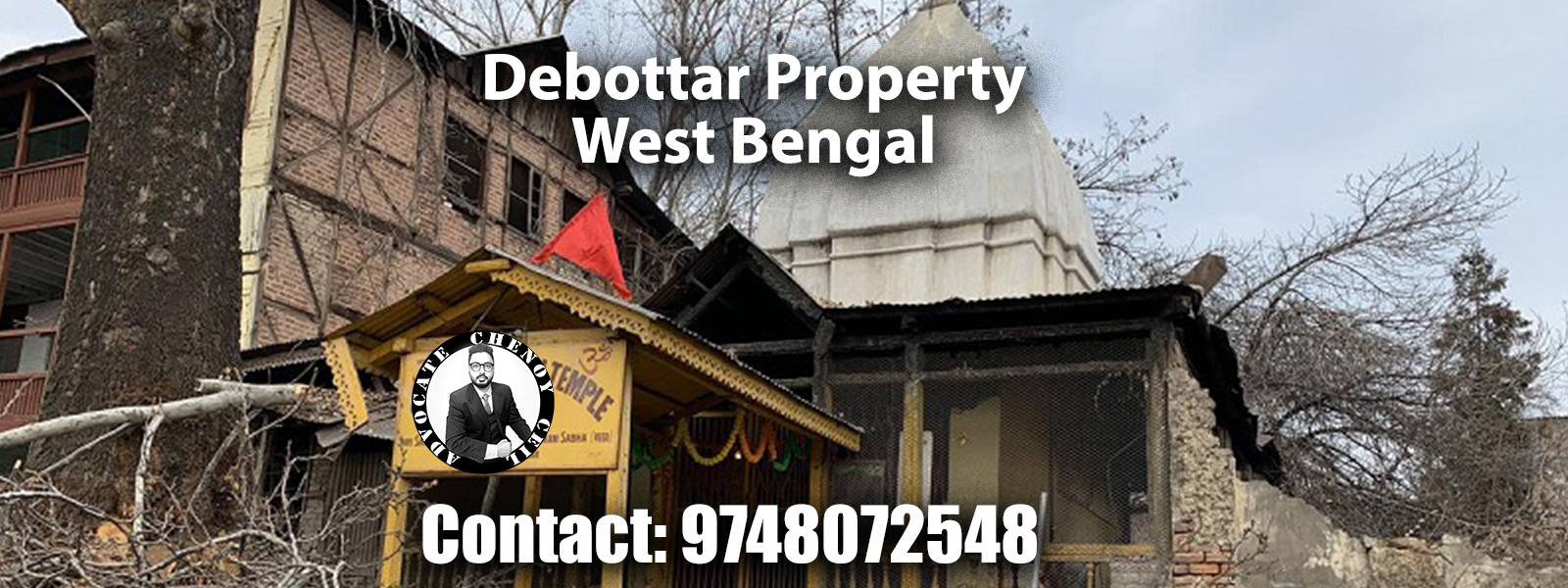
The sale of debutter property and role of Shebait are important considerations due to the ever-changing laws, so you must seek guidance from a property lawyer.
Table of Contents
Sale of Debutter Property
Under Hindu jurisprudence, a consecrated idol is recognised as a juristic person capable of holding property, entering contracts, and suing or being sued (Das Acevedo, 2023). However, as the Supreme Court highlighted in the monumental Ayodhya Verdict (2019), the legal personality of the deity is a legal fiction created for the preservation and management of the endowment (Govind, 2021; Singh, 2025).
The property dedicated to the idol is Debutter Property. It vests completely in the deity itself, not in the priests, management, or the Shebait.
- Absolute vs. Partial Dedication: The alienation rules depend completely on whether the dedication is absolute or partial. If the property is completely given to the deity, it is absolute debutter and cannot be sold at the whim of the Shebait. If it is partial, the property remains with the family subject to a charge for the deity’s worship.
Role of Shebait
A Shebait is the human custodian who administers the property on behalf of the juristic deity. For decades, legal scholars debated whether “Shebaitship” was merely an office of trust or actual property.
In the landmark case of M. Siddiq (D) Thr Lrs v. Mahant Suresh Das & Others (2019) (popularly known as the Ayodhya Case), the Supreme Court clarified the precise nature of a Shebait:
- A Shebait holds a unique position that blends elements of an office and elements of property rights (Govind, 2021).
- However, the Shebait is not the owner of the debutter property. The Shebait is merely a manager or custodian with a fiduciary duty to protect the interests of the deity.
Furthermore, in Sri Marthanda Varma v. State of Kerala (2020) (the Sree Padmanabhaswamy Temple Case), the Supreme Court reiterated that the expiration of a ruler or a historical event does not extinguish a Shebait’s hereditary right of management (Shebaitship), confirming that the right to manage is distinct from personal ownership of temple wealth (Chakrabarti, 2024).
Can a Shebait Facilitiate Sale of Debutter Property?
The short answer is No, except under extreme, unavoidable circumstances.
Because the property belongs to the deity, a Shebait has no unilateral right to sell, mortgage, gift, or lease the land. Any unauthorised transfer of debutter property is void ab initio (void from the very beginning).
However, ancient Hindu texts and modern Indian law permit an exception based on the principle of “Legal Necessity” (Apatkala) or “Benefit of the Estate” (Kutumbaarthe). This principle traces back to the foundational Privy Council ruling in Hunoomanpersaud Panday v. Mussumat Babooee (1856) and remains fully active in modern Indian courts.
Permissible Grounds for Alienation:
- Legal Necessity: Urgent financial pressure on the temple/deity, such as paying government revenue, preventing an imminent foreclosure sale of temple property, or carrying out critical, extensive repairs to the structural integrity of the temple.
- Benefit of the Estate: Transactions that explicitly protect or elevate the deity’s assets—for instance, selling a distant, unmanageable, encroached piece of land to purchase a highly productive asset closer to the temple.
Modern Directives & Essential Conditions
If a Shebait intends to sell debutter property, contemporary judgments have established a very high threshold of proof:
- Strict Burden of Proof: The purchaser bears the heavy burden of proving that they made bona fide (good faith) enquiries and satisfied themselves that a genuine legal necessity existed at the time of sale.
- Prior Judicial Sanction: In modern practice, any sale of debutter property executed without the prior permission of the District Court (under Section 92 of the Civil Procedure Code) or the relevant State Hindu Religious and Charitable Endowments (HR&CE) Department is highly vulnerable to being struck down as illegal.
- The “Deity as a Minor” Analogy: Indian courts frequently treat the juristic deity as a perpetual minor. Just as a natural guardian cannot sell a minor’s property without a court order, a Shebait cannot dispose of the deity’s property without explicit judicial or statutory approval.
Summary of the Legal Position
[Debutter Property] ──► Owned strictly by the Deity (Juristic Person)
                             │
                             ▼
                    Managed by the Shebait
               (Fiduciary Custodian / No Title)
                             │
            ┌────────────────┴────────────────┐
            ▼                                 ▼
   [General Rule]                     [Strict Exception]
    No Alienation                      Legal Necessity OR
  (Sale/Gift is VOID)                Benefit of the Estate
                                              │
                                              ▼
                                    Requires Prior Court /
                                    HR&CE Dept. Permission
Conclusion
If you are dealing with a property transaction involving the sale of debutter property or temple land, ensure that independent legal necessity is documented, an official market-value valuation is acquired, and an explicit statutory sanction from the appropriate court or state authority is secured before executing a sale deed.
For more details or help with the sale of debutter property / debottar property, you can consult Advocate Chenoy Ceil by filling out the form here.